Adoption Fraud
Fake birth mothers and sham agencies string hopeful parents along, collecting fees and "expenses" for an adoption that was never real.

Scams change costumes, but the script is always the same: an unexpected contact, a story that triggers fear, hope, or urgency, and a request for money or information. Learn the patterns below and you'll recognize the next variation before it costs you.
Fake birth mothers and sham agencies string hopeful parents along, collecting fees and "expenses" for an adoption that was never real.

A few seconds of audio is enough to clone a voice, and faces can now be faked on a live video call. Seeing and hearing is no longer proof.
A caller from your bank's "fraud department" warns that your savings must be moved to a safe account. That account belongs to the scammer.
A spoofed email that looks like it came from the CEO or a trusted vendor tricks an employee into wiring company money straight to criminals.
In the wake of a disaster or tragedy, criminals exploit your generosity with fake appeals, and the "donations" never reach anyone in need.
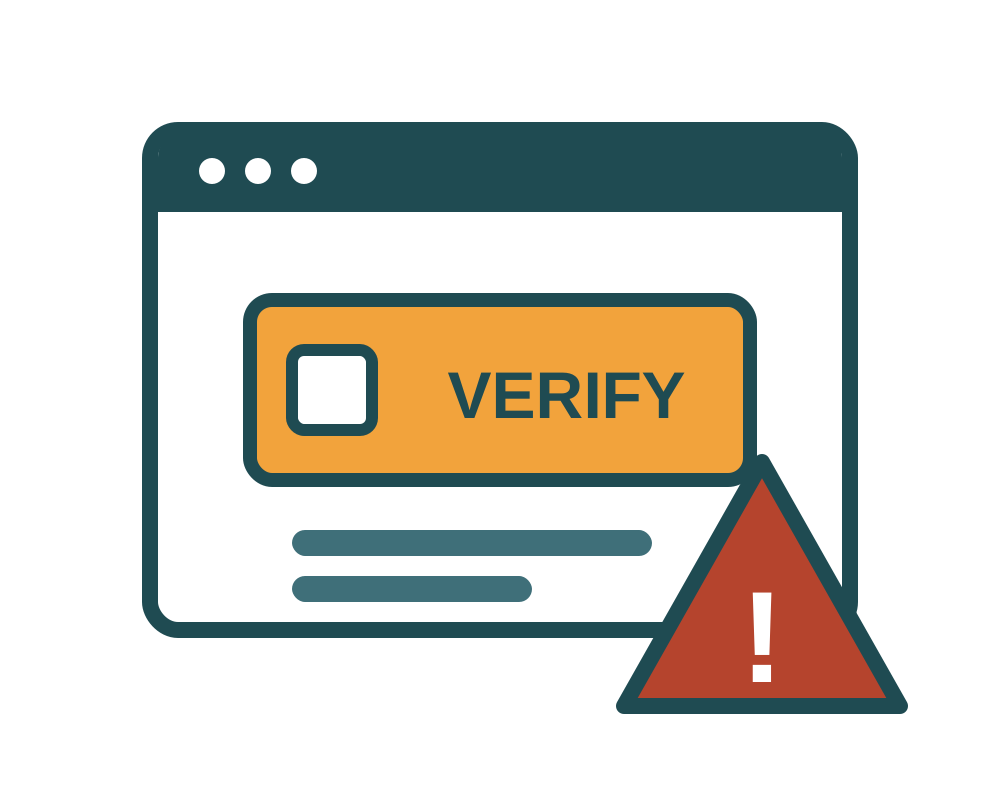
A "verify you are human" page tells you to paste a command into your computer. Following the steps installs the malware with your own hands.
Scammers pose as an official from a government agency, preying on our respect for authority and fear of being in trouble with the law.
A panicked call, sometimes using an AI-cloned voice, claims a loved one is in jail or the hospital and needs money wired immediately.
"Pig butchering" and other fake investment schemes build trust for months before draining victims' savings. It is now the costliest internet crime.

Fake job listings, bogus recruiters, and "task" jobs steal money and personal information from people who just want to earn a paycheck.

You've "won" a prize you never entered for, and you just need to pay taxes and fees first. The prize never existed.
Criminals recruit ordinary people, through fake jobs or online romances, to move stolen money, exposing them to criminal charges.
You're promised a share of a fortune (an inheritance, a business windfall) if you'll just cover a small upfront fee. Then another. And another.
Fake storefronts and too-good-to-be-true deals take your payment and ship nothing, or a counterfeit, before the site disappears.
Emails dressed up as your bank, employer, or a familiar brand lure you into giving away passwords, clicking malicious links, or opening harmful attachments.
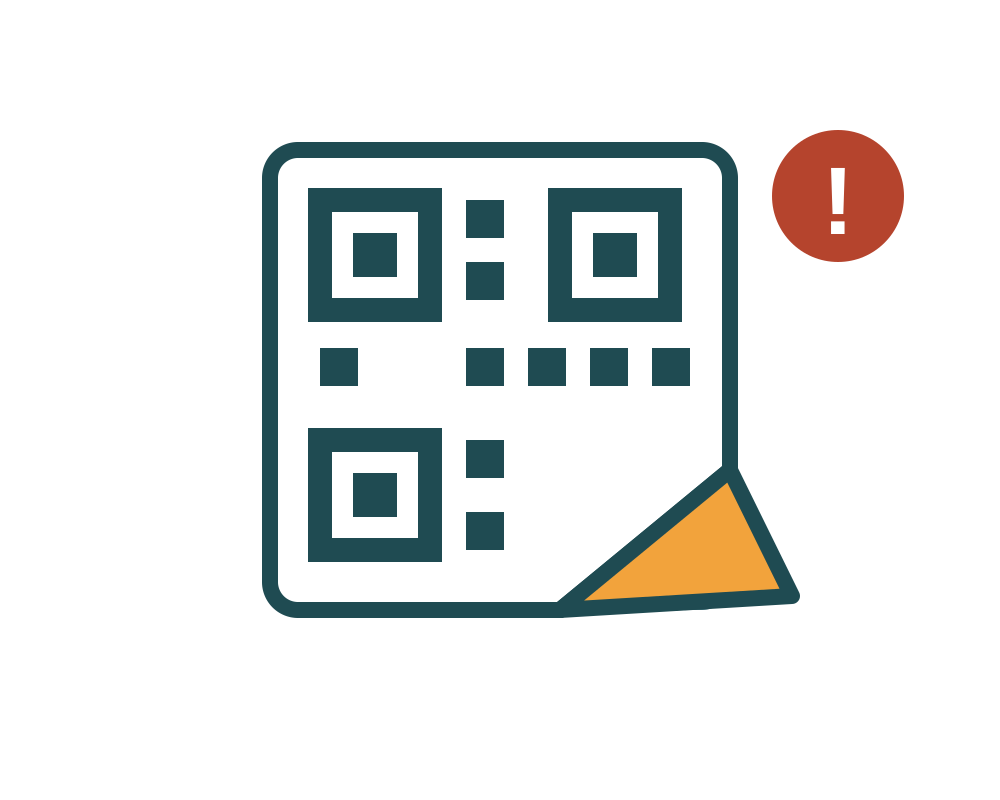
Scammers stick their own codes over the real ones on parking meters, and mail fake ones to your door. Scanning is the whole attack.
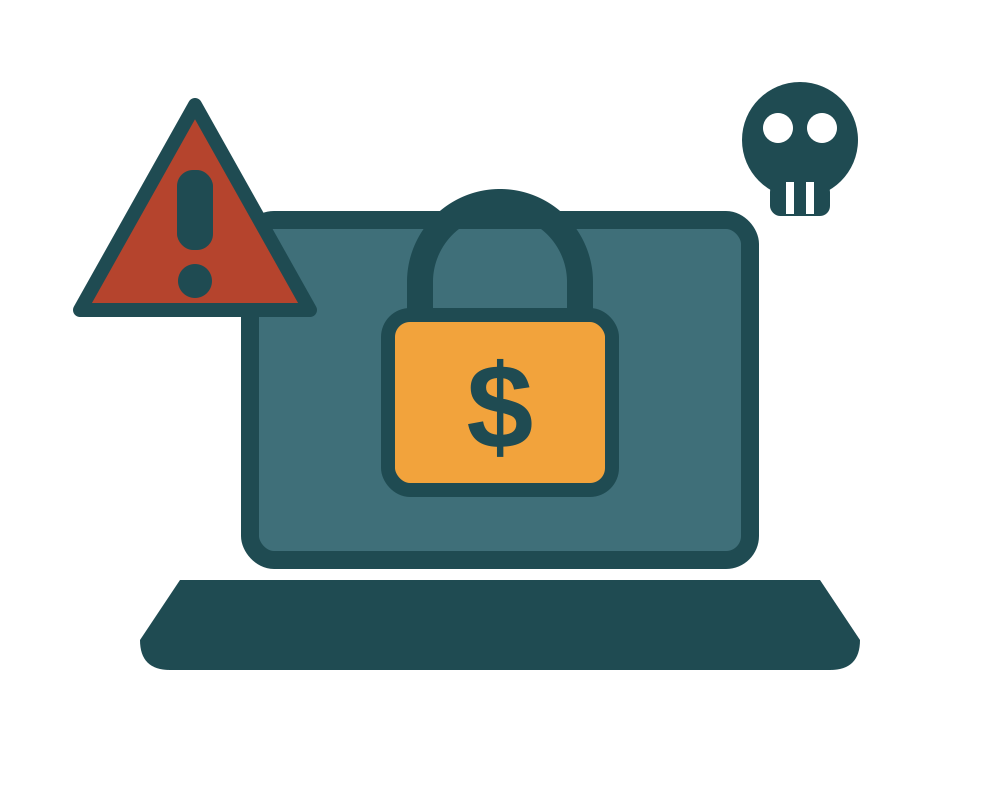
Malicious software locks up your files and demands payment to get them back, and paying is no guarantee you ever will.
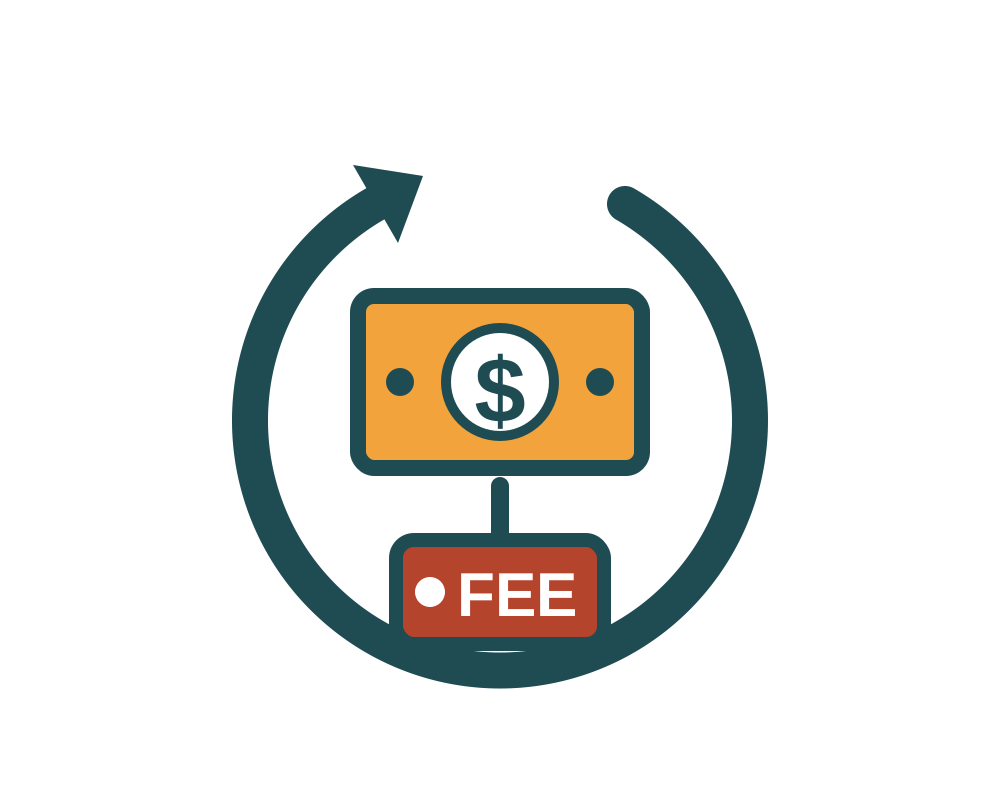
After a scam, someone offers to get your money back for a fee. The fee is the scam, and it is often run by the same people.
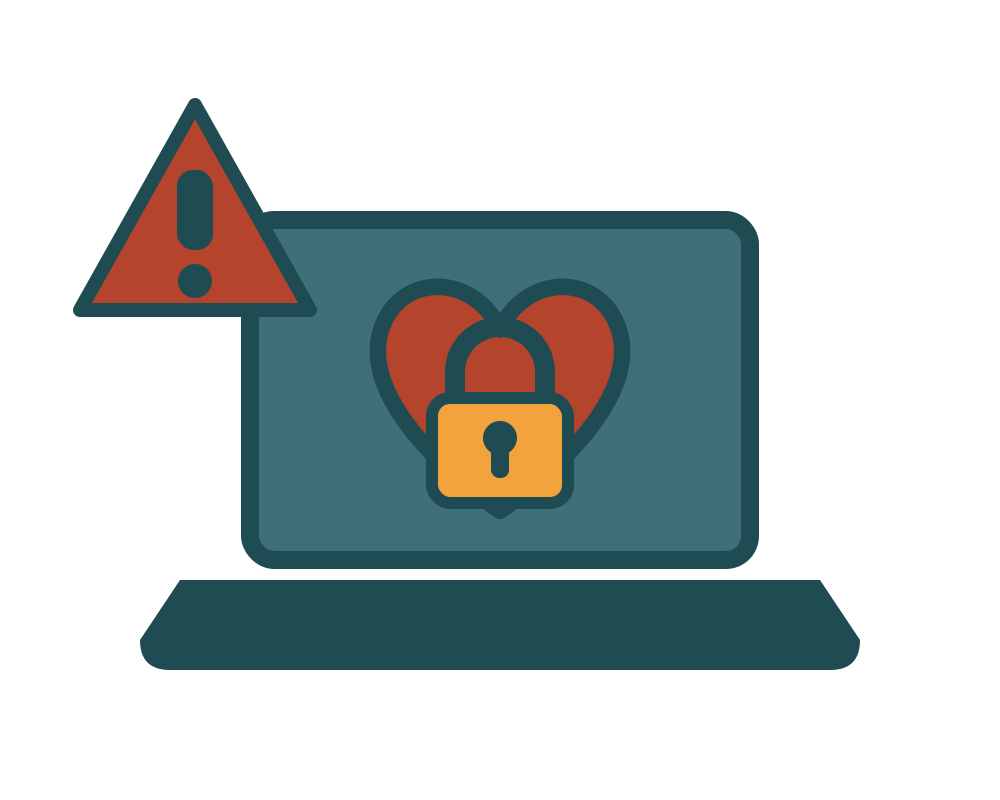
A stranger with a fake identity builds a loving online romance over weeks or months. Then the emergencies begin, and every one of them needs your money.
Blackmailers threaten to send explicit images or videos, real or fabricated, to your family and friends unless you pay or comply with their demands.

A scary pop-up or unsolicited call insists your computer is infected, then a fake technician charges you to "fix" it, or installs real malware.
Fake unpaid-toll notices, package delivery alerts, and bank fraud texts lure you to sites that steal your card number and passwords.